

Why US Iran Talks failed 2026
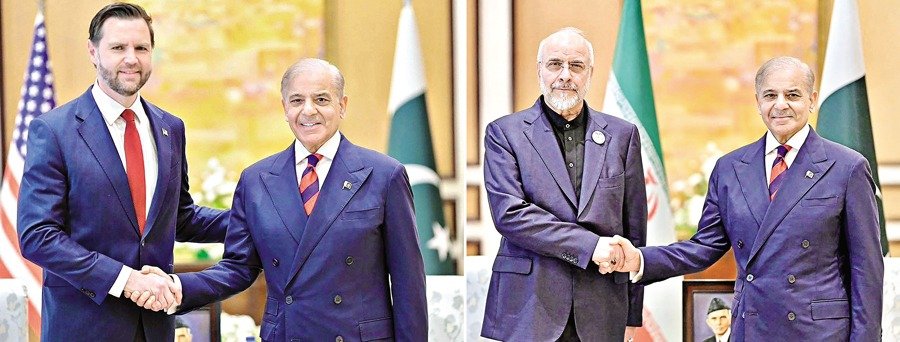
The real question is: why did the Iran–US negotiations fail, even after Pakistan invited both countries for peace talks? Last weekend, the Vice President of the United States, JD Vance, agreed to visit Pakistan for these discussions. The Iranian delegation also agreed to participate. After the talks, many people expected that there would be peace and that both countries would avoid further conflict.
check our previous article: how Pakistan is trying to bring peace.
However, the talks turned out to be a major failure in 2026. Despite Pakistan’s significant efforts to bring both sides to the same table, the negotiations did not succeed. The meeting reportedly lasted 21 hours and was seen as an important first stage-especially considering that such talks had not taken place in Pakistan since 1979.
We can only expect a second stage if both countries are willing to continue the dialogue, but it seems unlikely at this point. According to officials, both the US and Iranian delegations left Pakistan without reaching any agreement. There are many reasons behind the failure of these peace talks, which makes the situation even more complex.
The Nuclear Controversy
By April 2026, the dispute between Iran and the United States regarding nuclear weapons had escalated significantly.Although tensions between the two countries have existed for a long time, the situation has recently intensified. Iran does not want to abandon its nuclear program, while the United States has been targeting Iranian nuclear sites with missile and air strikes since February 2026. Following the recent peace talks in Islamabad, Iran stated that it could suspend its uranium enrichment program, but only for five years. However, a recent statement by Donald Trump indicated that Iran should suspend the program for at least 20 years. Officials from both countries have also said that, despite several discussions and proposed agreements, no final deal has been reached.<br><br>Overall, Iran appears unwilling to give up its nuclear ambitions, which remains a major obstacle to achieving a long-term agreement.
Strait Of Hormuz Conflict
The Strait of Hormuz has emerged as a pivotal flashpoint in the ongoing friction between Iran and the United States.Both countries agreed to a ceasefire under one condition: Iran would allow international ships to pass through the Strait of Hormuz. This narrow passage is a critical artery for the world’s energy supply, handling roughly one-fifth of all oil and natural gas transported globally.<br><br><br>Since the United States and Israel reportedly attacked Iran in February, tensions in the region have increased. Around 3,000 ships usually pass through the Strait of Hormuz every month, but in the current situation, this number has decreased. Shortly after the ceasefire announcement, oil prices dropped by approximately 15%.
As part of the agreement, the United States did not deploy warships or <br>carry out further attacks in the Strait of Hormuz. However, during the recent peace talks in Islamabad, JD Vance did not discuss the issue of the strait in detail during the press conference.<br>It is widely understood that the Strait of Hormuz remains the central issue. The United States wants Iran to fully reopen the passage, but Iran has set certain terms and conditions that it wants the US to accept. So far, the United States has not agreed to those conditions, which continues to complicate the situation.
Lack of Trust Between US And Iran
There is a serious trust issue between Iran and the United States. Iran does not trust the US at all, mainly because the US has made many agreements in the past but later failed to honor them. This has become a major issue, as trust is very important in any negotiation.
According to recent war updates, US airstrikes reportedly targeted areas near schools, and around 2,500 people were killed. Such incidents have further damaged trust between the two sides. Because of this, Iran questions on what basis it can trust the United States.
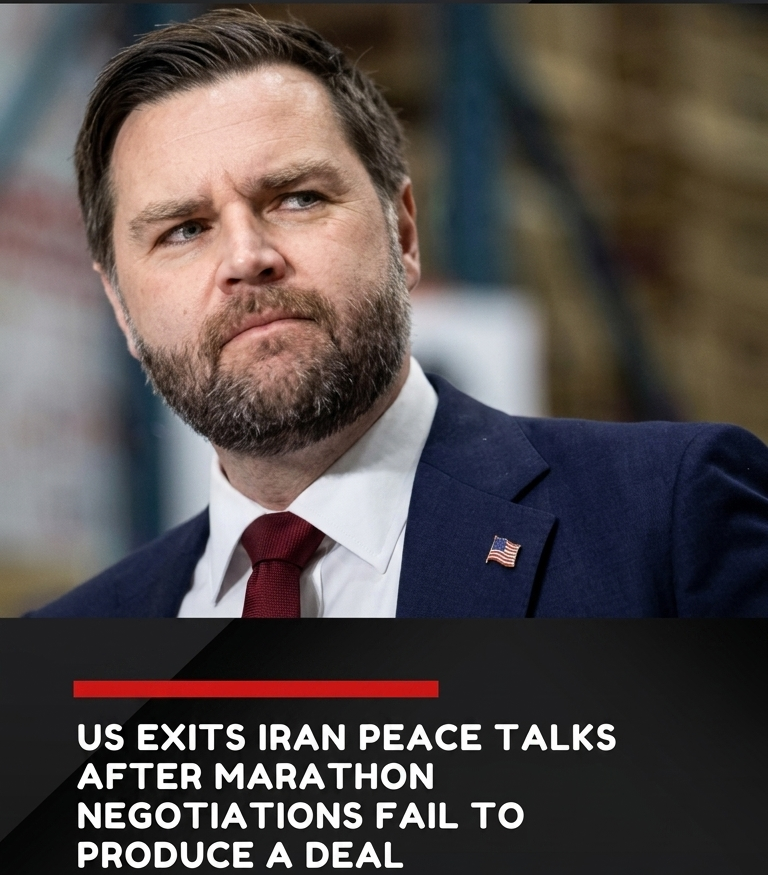
During the recent peace talks in Islamabad, JD Vance stated that Iran is not willing to give up its nuclear program. He described the US offer as the best possible option and suggested a “take it or leave it” approach, meaning there were no alternative options. He also claimed that Iran had been significantly weakened.
One of the main reasons for the failure of the peace talks is this lack of trust. Iran has stated that if the US steps back, negotiations could continue, and there is still an option for dialogue. However, due to past experiences, Iran remains unwilling to trust the United States.
What happens Next (The final Offer of US)
Twenty-one hours of talks were not enough to end 47 years of conflict between the United States and Iran. The final and best offer from the US side was that $7 billion in Iranian assets would be unfrozen, and the war would come to an end if Iran agreed to give up its nuclear weapons program. However, the ceasefire agreement is expected to end within seven days.
According to some sources, Iran is seeking support from China. Meanwhile, Donald Trump has threatened to destroy Iran’s entire infrastructure if no agreement is reached. He also stated that, if nothing changes, the Strait of Hormuz could be completely closed, and no ships would be allowed to pass through it. He warned that US forces could attack any ship attempting to cross the strait.
However, this scenario seems unlikely, as China relies heavily on the Strait of Hormuz for its energy imports. There are also reports suggesting that another round of peace talks may take place soon, possibly in Pakistan, the Middle East, or Europe, although this has not yet been officially confirmed.
check our previous article: how Pakistan is trying to bring peace.




[…] of Trust and Violations: Iran has indicated that the US is not being serious about diplomacy saying that recent actions go against the ceasefire agreement. It claims that a US […]
[…] to upcoming threats, especially as relations with Iran grew more tense and during the early 2026 conflict between the United States and Iran. As the carrier finishes up its mission, the focus shifts to why it’s leaving and what that could […]