
US Sinks Iranian Tanker as Washington and Tehran Edge Toward War‑Ending Deal
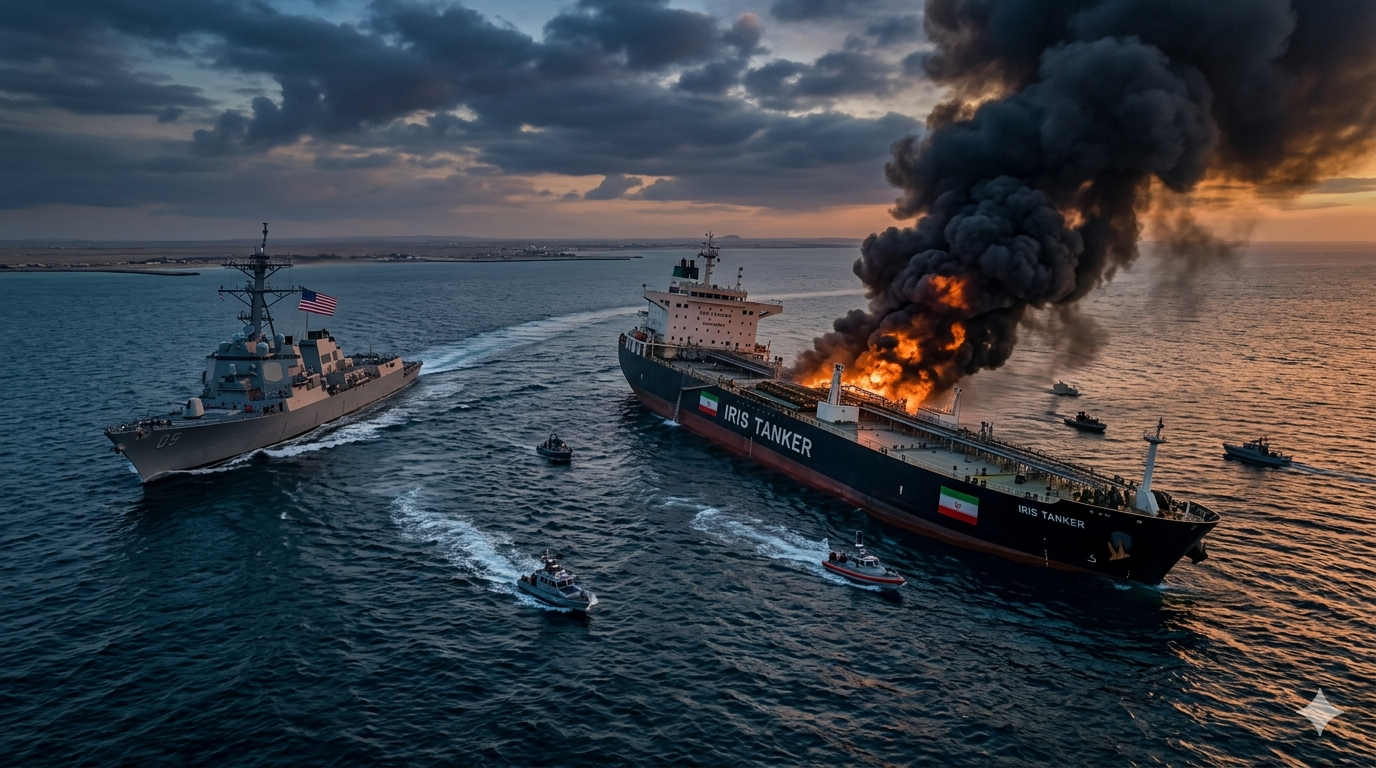
US Strikes Iran, The United States says its forces have attacked and disabled an Iranian‑flagged oil tanker in the Gulf of Oman as Israel launches a new wave of air strikes against Iran‑linked targets in the region. The move comes amid fragile but fast‑moving diplomacy between Washington and Tehran on a possible ceasefire framework that could reshape the course of the Middle East war.
US Strike on Iran Tanker
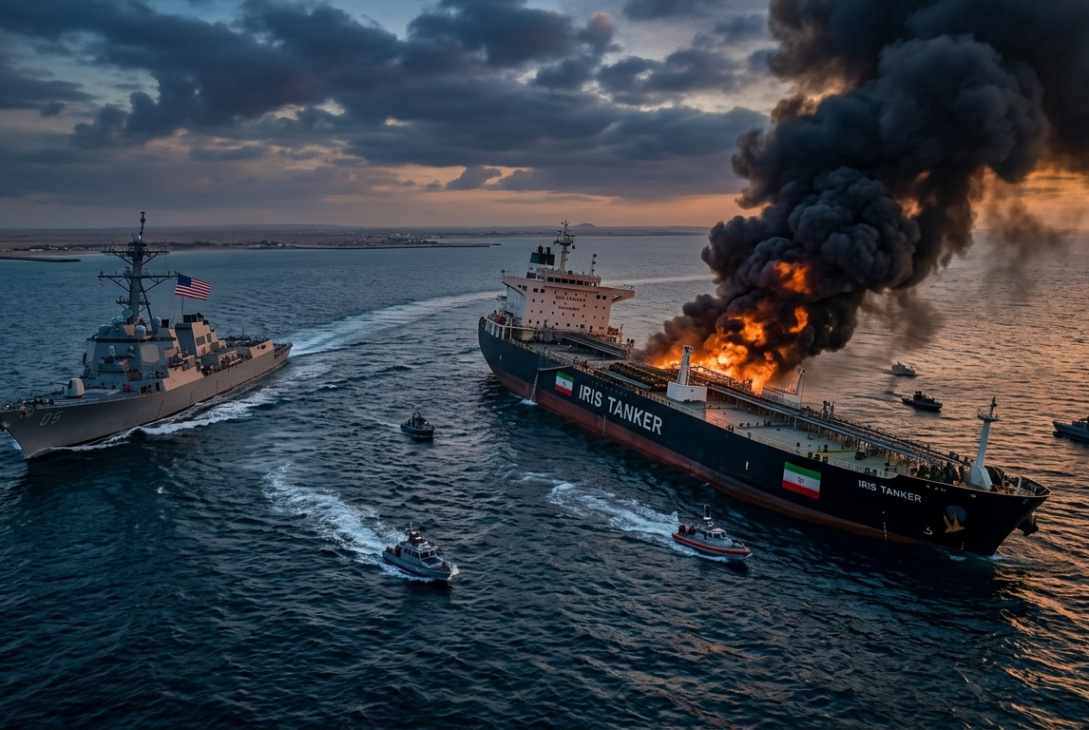
Central Command says the US strike Iran tanker by a Navy warship that tried to break through the American‑led blockade of Iranian ports in the Strait of Hormuz area. The US fighter jet, an F/A‑18 Super Hornet, disabled the ship’s rudder with gunfire from its 20‑mm cannon after the crew ignored repeated warnings to stop.
The tanker remains afloat but is no longer able to manoeuvre freely, US officials say, and the incident has been framed as enforcement of the blockade rather than an attempt to sink the vessel.
Iran has condemned the strike as a violation of maritime law and of a fragile ceasefire that has held in fits and starts since mid‑April. Iranian military commanders have warned of a “swift response,” echoing similar threats after earlier US seizures of Iranian‑flagged ships in the Gulf of Oman.
The latest clash raises the risk that a single incident could spark another open surge of attacks across the region, even as diplomats signal a rare window for talks.
Israel’s air campaign
While the US focuses on the Gulf, Israel has launched a fresh round of air strikes against targets linked to Iran and its regional allies. These operations are aimed at Iranian‑backed groups in Lebanon and other parts of the region, Israeli officials tell reporters, as part of a broader effort to degrade Iran’s long‑range strike capabilities.
Israel insists the strikes are targeted and “proportionate,” even as regional governments warn that each new volley could widen the conflict.
The Israeli moves are closely tied to Washington’s strategy. The Biden‑era security architecture in the Middle East has long relied on tight US‑Israel coordination, and both sides see pressure on Iran as a way to force concessions at the negotiating table.
At the same time, missile and drone attacks from Iran and allied groups continue to rattle the Gulf, underlining how fragile the ceasefire remains despite the flurry of diplomatic activity.
US Strikes Iran, US-Iran 14-point ceasefire
Behind the fighting, US and Iranian officials are reportedly close to a compact, one‑page 14‑point memorandum aimed at halting the war and opening a 30‑day window for broader talks. The framework, described by Axios and echoed by several regional outlets, envisions a pause in hostilities, a temporary freeze on Iran’s uranium enrichment, and a gradual easing of US sanctions in exchange for Iranian restraint.
Under the proposed deal, Washington would begin to lift some sanctions and unfreeze billions of dollars in Iranian assets, while Tehran would agree to limit its nuclear activities and back away from attacks on shipping and regional targets.
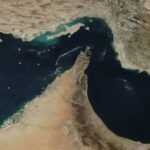
A key point in the draft is tension‑reduction around the Strait of Hormuz, one of the world’s most critical oil chokepoints, whose closure or partial blockade has already driven up global energy prices.
Despite the progress, senior officials on both sides stress that no final agreement has been signed. Internal divisions in Tehran, hard‑line factions in Washington, and mistrust built up over years of broken commitments make any deal highly uncertain.
Analysts warn that even a narrow ceasefire could collapse if one more ship is hit, one more missile launched, or one more side insists on last‑minute red lines.
US Strikes Iran Global stakes and regional anxiety
The confrontation in the Gulf matters far beyond the Middle East. The Strait of Hormuz and nearby waters carry a large share of the world’s oil, and any prolonged disruption sends shockwaves through energy markets and inflation‑sensitive economies. Governments from Europe to Asia are urging restraint, even as they privately line up behind either Washington or Tehran, depending on trade and security ties.
Across the region, ordinary citizens live with the constant background threat of attacks, blackouts, and fuel shortages. In Iranian ports and Gulf cities alike, the fear is not just of war, but of a war that drags on without a clear endgame.
The current moment offers a narrow chance. A combination of tough military signals, such as the tanker strike, Israeli air raids, and the temporary pause of Project Freedom, all paired with quiet diplomacy that could, if both sides show restraint, lead to a real pause in the fighting.