
Trump Launches ‘Project Freedom’ to Guide Ships from Hormuz Strait
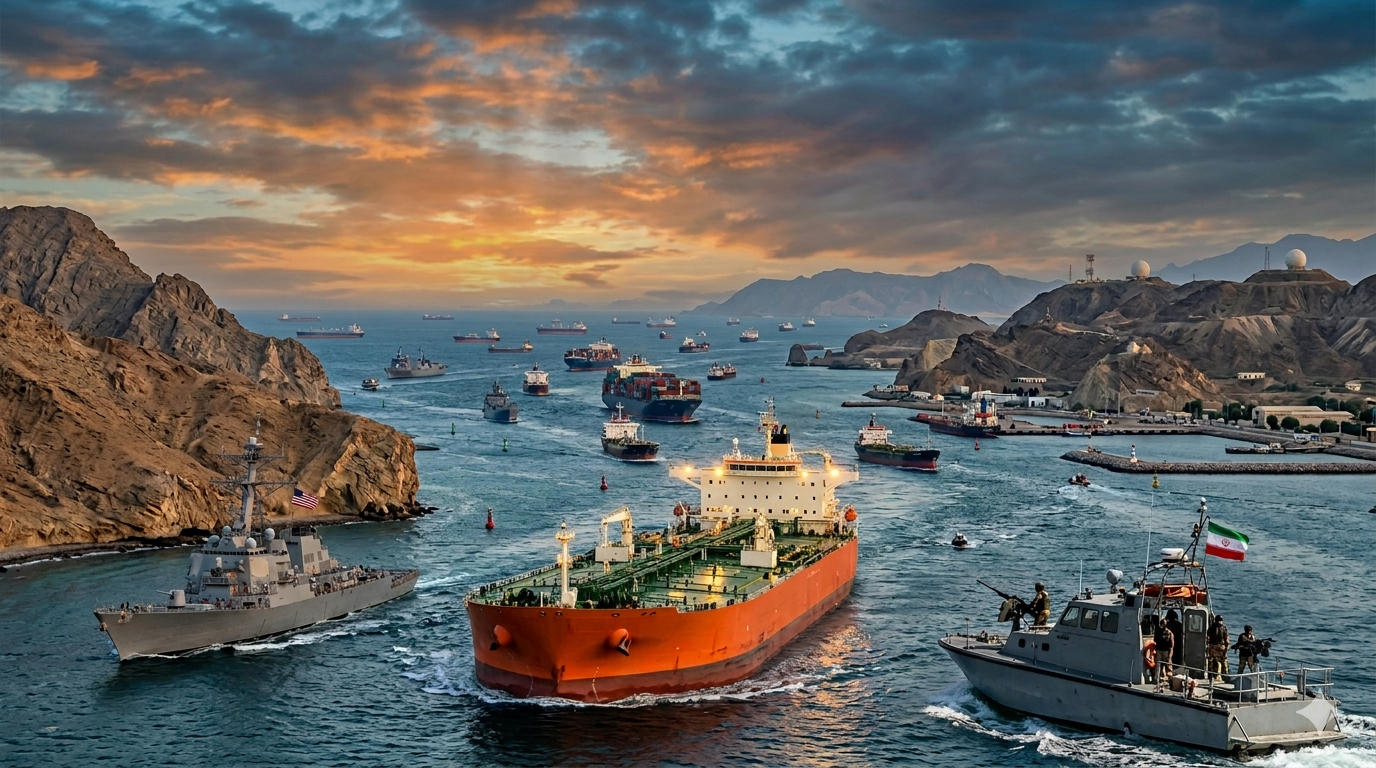
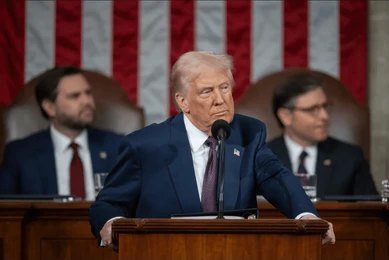
Project Freedom. President Donald Trump announced on Sunday that the U.S. will begin guiding stranded ships through the Strait of Hormuz starting Monday. He called the effort “Project Freedom” and framed it as a humanitarian move to help neutral nations
This comes amid ongoing tensions with Iran, which has restricted access to the vital waterway. Hundreds of vessels and about 20,000 seafarers are stuck there, facing shortages of food and supplies. Trump made the statement on Truth Social, responding to requests from countries not involved in the conflict.
The Strait of Hormuz Crisis
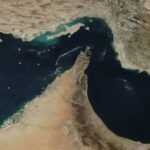
The Strait of Hormuz sits between Iran and Oman. It handles about 20% of the world’s oil supply. Iran tightened control over it early in the current war with the U.S. and allies.
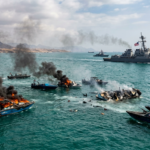
Ships from neutral countries got trapped inside. Crews report running low on essentials, leading to health problems. British military noted a cargo ship attack by small craft near the Strait on Sunday. Iran denied it and said they just checked documents.
Trump said these nations asked for U.S. help to free their vessels. He stressed the ships belong to “innocent” parties caught in the crossfire. The U.S. aims to let them resume business without harm.
What is Project Freedom?
Trump dubbed it “Project Freedom.” U.S. Navy ships will stay nearby to deter attacks. They will guide commercial vessels on safe routes, avoiding Iranian mines. Direct escorts may not be needed, per U.S. officials.
The operation starts Monday morning, Middle East time. Trump warned that any interference, especially from Iran, will face a strong U.S. response. He called it a gesture “for the benefit of Iran, the Middle East, and the United States.”
Few specifics emerged on how many ships or which routes. It’s the biggest U.S. step to reopen the strait since Iran blocked it. The move challenges Tehran’s grip without full coordination. Iran has not commented yet.
Trump’s Full Statement
In his Truth Social post, Trump wrote: “For the benefit of Iran, the Middle East and the States, we have informed these nations that we will ensure their ships navigate safely out of these confined waterways.”
He added, “They are victims of circumstance. This is a humanitarian process on behalf of the United States, Middle Eastern Countries, but in particular, the Country of Iran.” The forceful note followed: “If, in any way, this Humanitarian process is interfered with, that interference will, unfortunately, have to be dealt with forcefully.”
Trump also sounded hopeful on talks. He mentioned “very positive discussions” with Iran that “could lead to beneficial outcomes for everyone.” The U.S. sent a revised peace draft in reply to Iran’s recent proposal for war’s end in 30 days.
Regional and Economic Impact of Project Freedom
The Strait closure hit global energy markets hard. Oil prices spiked as tankers rerouted or idled. Iran’s economy strains too, with its currency weakening further.
Neutral flags like those from China, Europe, and Asia dominate the stranded fleet. Releasing them could ease some pressure on world trade. But risks remain if Iran reacts.
U.S. bases in the Gulf rely on the strait for supplies. Both sides accuse each other of ceasefire breaches. Iran’s IRGC Navy enforces rules like fees and certificates for passage.
Reactions to Project Freedom and Next Steps
World leaders watched closely. No immediate word from Iran or the nations with trapped ships. Pentagon weighs options but backs Trump’s plan.
Experts see this as a test of U.S. resolve. Success could boost peace talks. Failure might spark clashes. Shipping firms urged caution, eyeing insurance hikes.
Eyes turn to the Strait for signs of movement or trouble. The operation tests fragile calm in a hotspot waterway.
Trump’s move blends aid with muscle. It aids stranded crews while signaling U.S. strength. Peace hangs in the balance as escorts begin.