

Is The Strait of Hormuz Open or Closed in 2026?
The Strait of Hormuz is one of the most important oil routes in the world. It facilitates the transit of around 20 million barrels of oil per day and accounts for approximately 20% of global oil consumption. In addition, it handles nearly 20% to 30% of the world’s liquefied natural gas (LNG) trade.
However, in 2026, due to the recent conflict between the United States and Iran, many people are questioning whether the strait remains open or has been closed. The situation in the Strait of Hormuz has become unstable and risky as a result of the ongoing tensions and military activities between the two countries. as in the earlier statement, Iran said that the Strait of Hormuz was open, but tracking data showed that it wasn’t fully open for normal trade. Iran’s foreign minister later explained that the strait had reopened for commercial shipping, but ships were told to use specific “safe lanes,” which means movement was still limited.
Since the conflict between United States and Iran started on 28 February, Tehran has been blocking major oil and gas shipping routes. After a ceasefire agreement between the US and Iran, Iran allowed some ships to pass through the strait, but it still hasn’t been completely open for full trade. The ceasefire is expected to expire on 22 April 2026, which is creating more uncertainty. According to the latest update, Iran has again closed the Strait of Hormuz in response to the U.S. blocking its ports. There are also reports that Iranian gunboats opened fire on an oil tanker when it tried to cross the strait.
What is Strait of Hormuz?
The Strait of Hormuz is one of the most important trade routes in the world, especially when it comes to oil and gas. A large number of countries depend on it, because a big part of the world’s energy supply passes through this narrow waterway.
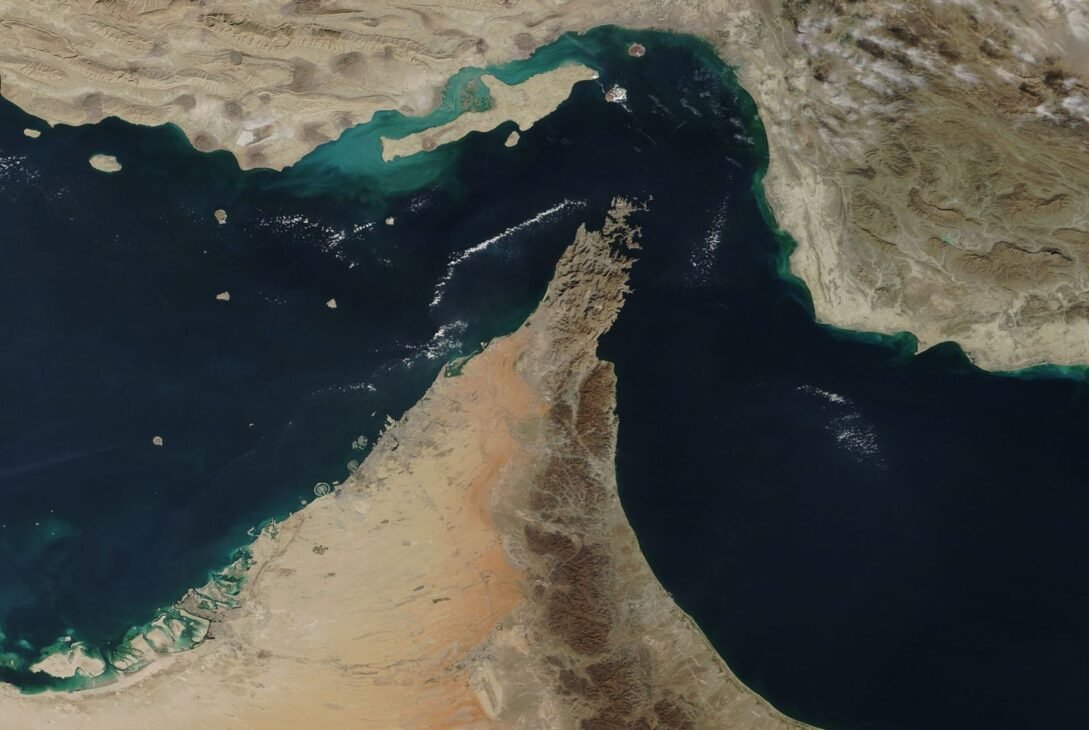
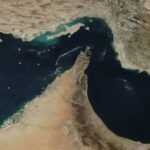
It connects the Persian Gulf to the Gulf of Oman and then to the open ocean. On the northern side is Iran, while on the southern side are Oman-including the Musandam Peninsula-and the United Arab Emirates. The strait is about 167 kilometers long and around 39 kilometers wide.
This route is only used for sea traffic, but it plays a huge role in global trade. Countries in the Gulf like Saudi Arabia, Iraq, Kuwait, and others-send their oil through this passage to the rest of the world. In fact, for some countries such as the UAE, Qatar, Kuwait, and Bahrain, it’s the main way to export oil.
Because of this, the Strait of Hormuz acts like a gateway between the oil-rich Gulf region and global markets. If anything disrupts it, even for a short time, it can affect oil supply, increase prices, and impact economies around the world.
Why Strait of Hormuz matters For the Global Economy
The Strait of Hormuz is considered one of the world’s most critical energy chokepoints and a major trade route. It is the only sea passage that connects the Persian Gulf to the open ocean, and it is located between Iran and Oman. Around 20% to 25% of the world’s oil trade passes through this strait of Hormuz.
Many major oil-producing countries, such as Saudi Arabia, Iraq, Kuwait, and the United Arab Emirates, rely heavily on this route for their exports. In addition, Qatar, which is one of the world’s largest exporters of liquefied natural gas (LNG), also depends on the strait. because 20% of global LNG trade passes through this waterway. Although there are some alternative routes, such as pipelines in Saudi Arabia and the United Arab Emirates, those lines do not have enough capacity to replace the full volume of trade that moves easily through the strait of Hormuz.
In Asia, China receives about 37.7% of its oil imports through the Strait of Hormuz, that makes it one of the largest recipients. Japan and South Korea are also highly dependent on the strait of Hormuz, as around 80% of their oil imports pass through it. Similarly, India imports more than 60% of its oil through this route.
Overall, the Strait of Hormuz is extremely important to the global economy because many countries depend on it for their energy and supply.
What Could Happen next in the Strait of Hormuz?
If the situation remains the same, we are likely to see major increases in oil and gas prices. This is because oil and gas are essential to the global economy, and their prices are highly sensitive to tensions in the region. If relations between Iran and the United States improve through peace talks, the Strait of Hormuz is likely to remain open and stable.
This would allow ships to continue trading with less risk of disruption or attack. However, if the conflict is not resolved, it could become a serious global trade issue. because Iran will Increased the military activity in the Strait of Hormuz could make shipping more dangerous, and any movement of vessels might lead to major disruptions in oil supply.



[…] Read our detailed article about the latest condition of the Strait of Hormuz. […]
Informative ❤️
From your perspective, something big is going to happen in the world and also informative write sir
[…] has not stayed limited to words. On April 12, Trump announced a U.S. Navy blockade around the Strait of Hormuz after peace talks collapsed, accusing Iran of extortion and moving to intercept vessels linked to […]