

Healthy Meals for Weight Loss: Delicious and Sustainable
Weight Loss, Starting a path toward healthy meals for sustainable weight loss does not require giving up taste or hunger control. Instead, think of it as uncovering foods that are both tasty and good for health, filling enough to stick with, while helping reach targets. From personal experience with balanced eating aimed at losing weight, one truth stands out – lasting results grow from meals that feel satisfying, stay light in calories, yet remain enjoyable; planning them ahead helps too. Here, basic ideas unfold clearly, simple dishes appear without fuss, frequent doubts get answered – not pushed, just laid out so decisions come easier over time.
Weight Loss Understanding the Fundamentals of Healthy Eating
Reaching a healthy weight and staying there isn’t really about eating less. It’s about eating in a way that keeps you full and doesn’t leave your body scrambling for energy. What you eat, not just how much, determines whether you’re hungry again an hour later or genuinely satisfied until dinner.
Weight Loss The Pillars: Calorie Deficit, Nutrient Density, and Portion Control
Weight loss begins when you eat less energy than your body uses. That gap pushes the system to burn extra fat. Yet hunger pangs aren’t the goal – awareness around food choices matters more. Meals rich in nutrients support function without excess intake. According to the National Institutes of Health, most people find steady progress at a shortfall between 500 and 750 units daily. Losing one or two pounds weekly fits within that range.
Just as important is how packed a food is with nutrients. These kinds of items deliver plenty of vitamins, minerals, along with helpful substances – without loading on calories. Choosing things such as fresh produce, lean meats, fruit, and unrefined grains means giving your system what it requires, especially if total intake drops. What matters most? Fueling well without overdoing portions.
Putting it into practice means paying attention to how much food lands on your plate. Instead of fixating only on numbers, people learn what portions truly satisfy hunger. Half the space? Fill that with greens and veggies low in starch. Lean proteins take up just a quarter, sitting beside carbs that fuel steadily thanks to their fiber. Balance shows up visually before each bite even begins. Satisfaction comes easier when fullness cues align with nutrient variety. The method works quietly, without math or scales involved.
Prioritizing Protein, Fiber, and Whole Foods for Satiety and Metabolism
When building your healthy recipe for weight loss, focusing on specific macronutrients can significantly impact your success. Protein and fiber are two powerhouses that play a critical role in satiety and metabolism.
Protein:
This nutrient does far more than build muscle – it repairs damaged tissue, adjusts hormone levels, strengthens immunity and slightly raises calorie burn during digestion, a process called the thermic effect of food. When losing weight, its impact stands out: digestion requires extra energy, so calorie burn rises slightly throughout the day. Hormones that signal fullness respond well to higher intake, reducing urges to eat constantly. Muscle stays intact even as fat fades, a shift that maintains metabolic rate over time. Target roughly 0.7 to 1 gram per pound of desired body weight each day. Foods like skinless chicken, salmon, whole eggs, thick yogurt, legumes, pulses, almonds, and pumpkin seeds deliver solid amounts without excess.
Fiber:
Most people overlook how powerfully fiber shapes appetite. When mixed with water, soluble types turn gel-like inside the gut, delaying how fast food empties from the stomach. This gentle slowing smooths out blood sugar spikes after meals – helping avoid sudden hunger pangs later. Volume matters too; it swells once inside, occupying space without adding energy cost.
The Academy of Nutrition and Dietetics recommends 25 grams daily for women and 38 grams for men. Digestive microbes thrive when fed consistently by plant fibers, influencing processes tied to weight regulation. Inflammation markers often shift when diets include steady supplies of these nutrients. Adult females need roughly twenty-five to thirty grams each day, males a bit more. Oats deliver bulk gradually, while apples offer chewy resistance that signals satisfaction. Broccoli adds crunch plus trace helpers below the surface. Bananas bring sweetness along with material few consider essential until missing. Quinoa and barley stand apart – not just proteins but persistent fillers between meals.
Also
Most people find that eating more protein alongside fiber-rich options works well. When these two work together, fullness lasts longer, hunger dips become rare, body composition shifts favorably, gut function gets smoother, hormonal signals stabilize. Studies consistently show individuals who get enough of both nutrients tend to lose weight more effectively.
A 2020 study published in The Journal of Nutrition found that higher combined protein and fiber intake was associated with greater fat loss and better appetite control compared to lower-intake groups.
Most of what you eat here comes from whole foods. Think apples, broccoli, brown rice, lentils, salmon, hard-boiled eggs, almonds – things close to how nature made them. With little industrial tweaking, these items pack less energy per bite than factory-made snacks. Because they deliver fewer calories by weight, portions feel more generous without tipping daily totals. Eating bigger amounts while staying within limits often helps quiet hunger cues.
Easy, Low-Calorie Recipes and Smart Meal Prep for Sustainable Success
When you already know what you’re making and half the work is done, you’re far less likely to order takeout at 7pm because you’re tired and the fridge looks empty. A handful of recipes you can make without thinking, plus an hour of prep on Sunday, covers most of the week.
Quick & Healthy Meal Ideas: Breakfast, Lunch, and Dinner
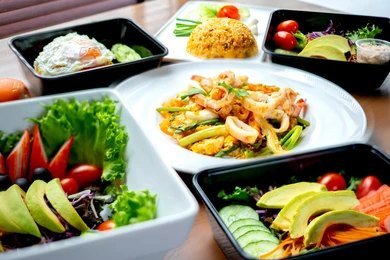
Here are some quick weight loss meals and healthy dinner recipes that are both delicious and align with weight loss goals:
Breakfast:
-
Overnight Oats:
An easy option requiring no morning prep. Combine oats, almond milk, and fruits in a jar the night before for a fiber-rich start.
-
Loaded Avocado Toast:
Use 100% whole-grain toast, smash half an avocado with lime juice, and top with an egg or smashed white beans for protein.
-
Scrambled Eggs with Berries and Whole-Wheat Toast:
Two scrambled eggs, two turkey sausage patties, a cup of berries, and a slice of whole-wheat toast make a balanced start.
-
Greek Yogurt Parfait:
Combine non-fat Greek yogurt with berries and a small amount of whole-grain cereal for a protein and fiber-rich meal.
Lunch:
-
Grilled Chicken Salad:
A generous portion of mixed greens with grilled chicken breast, cherry tomatoes, and a light vinaigrette. Add pre-cooked proteins like grilled chicken or boiled eggs for convenience.
- Turkey and Veggie Wraps: Use whole-wheat tortillas filled with sliced turkey, plenty of spinach, cucumber, bell peppers, and a light hummus spread.
-
White Bean, Tuna, and Roasted Pepper Salad:
A low-calorie, high-protein option that can be prepped for the week. It combines canned cannellini beans, jarred roasted red peppers, marinated artichokes, olives, and canned tuna for a flavorful and filling meal.
- Sweet Potato Black Bean Meal Prep Bowls: Prepare ingredients like roasted sweet potatoes, black beans, and a simple avocado-lime dressing in advance for easy assembly.
Dinner:
-
Baked Salmon with Roasted Vegetables:
Six ounces of baked Wild-caught salmon provides omega-3 fatty acids alongside protein with asparagus and roasted sweet potato is a nutritious option. Salmon with spring onion mash and broccoli is another delicious idea.
For more meal ideas in this range, see our guide on low calorie meals for weight loss.
-
Chicken Stir-fry with Cauliflower Rice:
Sauté chicken breast and a variety of colorful vegetables (broccoli, bell peppers, carrots) with a light sauce, served over cauliflower rice to significantly reduce calories compared to white rice.
-
Lentil Soup or Turkey Chili:
Lentils rank among the most affordable high-protein plant foods at roughly 18 grams of protein per cooked cup. Hearty and filling, lentil-based soups or turkey chili can be made in bulk. Serve turkey chili with cauliflower rice or brown rice.
-
Pork Souvlaki:
A lean protein option that can be paired with a fresh salad.
Most meals worth eating already have the basics: vegetables, protein, and enough fat that you’re not hungry again before you’ve even done the dishes. The calorie part is usually easier to fix than people expect. Swap white rice for cauliflower rice, use Greek yogurt instead of sour cream, cut the oil in half. The dish usually survives.
Mastering Meal Prep: Strategies for Consistent, Healthy Eating
Meal prep for weight loss is a game-changer, saving time and stress while helping you stick to nutritious meals, especially on busy days. It helps you bypass decision fatigue that can lead to poor food choices when you’re tired or stressed.
Here are strategies to master meal prep:
- Start Small: If you’re new to meal prepping, begin with just a few meals per week, like breakfasts or lunches, and expand as you get comfortable.
- Plan Your Meals: Dedicate time to plan your meals for the week, including snacks. The more meals you plan, the more likely you are to stick to them.
- Create a Grocery List: Shop with a detailed grocery list based on your planned recipes to stay organized and make healthier choices.
- Batch Cook: Prepare larger quantities of proteins (like grilled chicken or ground turkey) and complex carbohydrates (such as brown rice, quinoa, or roasted sweet potatoes) that can be used in multiple meals.
- Portion and Store: Once cooked, divide your meals into individual, portion-controlled containers for easy grab-and-go options throughout the week. This is crucial for controlling calorie intake.
- Prioritize Vegetables: Fill half of each meal container with non-starchy vegetables like spinach, broccoli, or bell peppers. They add volume and nutrients without many calories.
- Utilize “No-Cook” Options: Keep healthy premade snacks like hummus, whole-food-based snack bars, and mixed nuts handy. For busy days, salads with pre-cooked protein or protein shakes are excellent no-cook options.
- Don’t Forget Snacks: Keep pre-portioned healthy snacks like almonds, fruit, or hummus with veggies on hand to curb hunger between meals.
Meal prepping doesn’t have to be complicated; even partially prepping ingredients like chopping vegetables or cooking a batch of grains can save significant time.
Frequently Asked Questions About Weight Loss Recipes and Healthy Eating
Some of the most common weight loss advice is just wrong, and following it wastes time. Here are the ones that trip people up most.
Common Queries on Carbs, Meal Skipping, and Fat Burning Foods
Are carbs bad for weight loss?
Myth: Cutting carbs completely isn’t necessary, and for most people it’s not sustainable either. The Harvard T.H. Chan School of Public Health notes that refined carbs like white bread and sweets are the ones most consistently linked to weight gain, not carbohydrates as a category. But they behave differently in your body. The type matters more than the total.
Fact: Whole grains, fruits, and vegetables deliver key nutrients along with steady fuel for the body. Because they contain plenty of fiber, these complex carbohydrates support balanced insulin levels. Fullness lasts longer after eating them, partly due to their slow digestion. When combined with intense training sessions, such foods may encourage the body to burn stored fat. In contrast, processed options – like white bread or sweets – lack vital nourishment. Their low nutrient profile often slows improvements toward fitness goals.
Does skipping meals help you lose weight faster?
Myth: Skipping meals usually makes you hungrier later, which tends to backfire.
Fact: Actually, missing meals tends to reduce metabolic rate while frequently resulting in larger intakes later because appetite builds unchecked. Instead of waiting too long, supplying energy through evenly spaced, nutritious portions helps keep metabolic processes consistent and limits intense cravings.
Are there specific “fat burning meals” or foods that melt fat?
Myth: There are no magical foods or specific “fat burning meals” that will instantly melt away fat.
Fact: Though certain foods help maintain metabolic health, so-called “fat burning meals” usually mean dishes rich in protein and fiber, yet low in calories while packed with nutrients – these aid fullness and reduce overall intake. Take protein: digestion demands extra effort from the body, slightly increasing energy burn. Long-term reduction of body fat relies on lasting habits – a steady gap between calories consumed and burned, built around natural, minimally processed ingredients alongside movement throughout the week.
Conclusion: Embracing a Lifetime of Healthy and Flavorful Eating
Looking back, one thing stands clear: losing weight through food means changing how you live, not just what you eat for a few weeks. Shifting toward meals packed with protein, fiber, and unprocessed ingredients shapes daily habits that last. With practice, preparing these kinds of dishes becomes routine – less effort, more consistency. Over time, small choices add up without needing strict rules or quick fixes.
Start here: shifting how you eat shifts how you feel each day. Long ago, Hippocrates said it clearly – what we eat becomes our body’s fuel and repair system. Choosing real ingredients means building strength from within. Each bite adds up, shaping energy levels and long-term well-being. Taste matters too; meals can enumerate without sacrificing joy. Think of eating well as daily care, much like breathing or sleeping. Over time, small picks turn into lasting change. Focus on progress, not perfection. A lively version of yourself grows through consistent steps. Enjoyment fits right alongside health when choices align with needs.