
Pakistan's Role in Extending the US-Iran Ceasefire
Introduction: Pakistan's Centrality in US-Iran Ceasefire Efforts
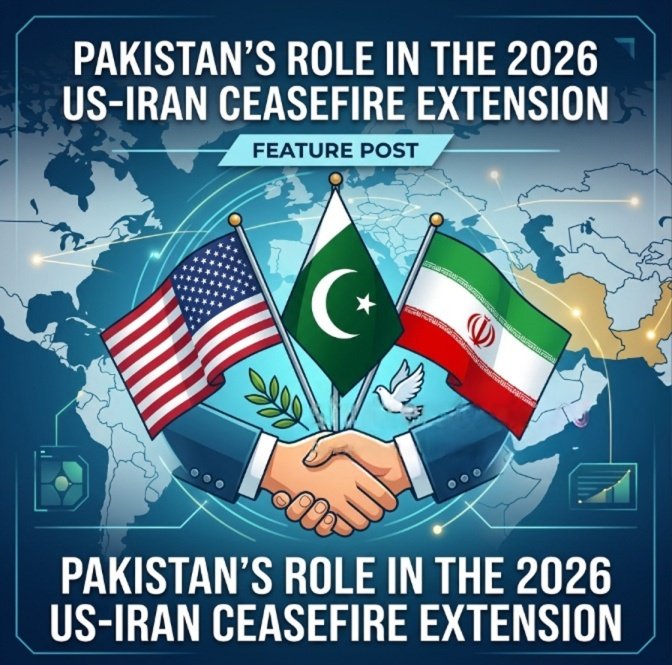
The Middle East finds itself at a turning point with recent military conflicts involving the United States, Israel, and Iran causing a sharp decline in a region of geopolitical security. a temporary ceasefire held between the US and Iran on April 8, 2026. This ceasefire was set for 14 days and has since been extended indefinitely at the request of Pakistan which has become a key negotiator in these critical diplomatic negotiations.
Pakistan's unique geopolitical position, balancing South Asia and the Middle East along with its special relationships with both Washington and Tehran has allowed it to assume a central role in de-escalating tensions. Islamabad has been seen charged in peddling messages, joint statements and hosting itself as a neutral ground for peace talks. It is divided into Pakistan's Role in Extending the US-Iran Ceasefire, then looking at the reasons behind it and the further processes along with challenges that needed to be tackled in order not to lose these delicate diplomatic gains.
Pakistan's Strategic Motivations and Diplomatic Imperatives
The decision by Pakistan to offer its services as a go-between for the United States and Iran consists of closely intertwined strategic rationales. As far as regional stability is concerned for us in Pakistan it is not an abstract goal but rather a matter of our national security and economic well-being.
- Geopolitical Stability and Border Security: Pakistan has a long border with Iran stretching nearly 1,000 kilometers. If a major war breaks out between the United States and Iran it would likely affect Pakistan too, especially the areas near the border putting the country’s security at risk. There is also a strong chance of proxy conflicts and more militant activity in these regions which could create serious problems. That’s why promoting peace is not just a choice for Pakistan-it’s necessary to protect its land and its people.
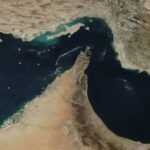
- Energy Security: Pakistan depends a lot on energy imports especially oil from the Middle East. If there is any problem in the Strait of Hormuz, a very important route for global oil supply could seriously affect Pakistan’s access to energy. This would hurt the economy badly. That’s why keeping these sea routes open and safe is extremely important for the country’s economic stability and survival.
- Economic Interests and Remittances: Around 5 million Pakistanis work in the Gulf countries and the money they send back home is very important for Pakistan’s economy. If a long conflict happens in the region these remittances could drop sharply. This might also lead to job losses and force many workers to return home. It means putting extra pressure on the country’s economy.
- Historical Ties and Neutrality: Pakistan is in a unique position because it is one of the few countries friendly with the US that has not been targeted by Iran and it also does not host any US military bases. This neutral side has made Pakistan more trusted by both sides allowing it to act as a peacemaker. Pakistan and Iran also share a strong historical relationship-Iran was the first country to recognize Pakistan after its independence which built a sense of trust between them. Since the US and Iran cut diplomatic ties in 1979 Pakistan has also played an important role by hosting Iran’s Interests Section at its embassy in Washington it helps both sides stay in contact. This long-standing role has become especially valuable during the current situation.
- Elevating Diplomatic Clout: If Pakistan successfully helps reduce tensions in such an important global conflict it can improve its image in the world. It shows that Pakistan is a responsible country that can play a positive role in international affairs by using its strategic position. Pakistan can act as a bridge between major powers-similar to how it helped arrange Henry Kissinger’s secret visit to China in 1971.
Navigating the Ceasefire Extension: Progress and Persistent Challenges
The temporary ceasefire that started on 8 April 2026. This was an important diplomatic success largely due to Pakistan’s efforts. This 14-day pause in fighting gave both sides a chance to reduce tensions. Later seeing the need for more time for talks. US President Donald Trump agreed to extend the ceasefire indefinitely at Pakistan’s request.
Progress Made:
- Initial Ceasefire and Talks: The agreement on 8 April 2026, was an important step toward stopping the fighting. It made it possible for the US and Iran to hold their first direct talks in Islamabad which was a big moment after many years without formal diplomatic relations.
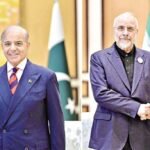
- Communication Channels: Pakistan has managed to keep communication open between Washington and Tehran, passing messages and proposals between both sides. The country’s leadership, including Shehbaz Sharif, Ishaq Dar, and Asim Munir, has been actively involved in these efforts.
- Hosting Negotiations: Islamabad has offered to host the talks as a neutral and safe place and also the preparations are already in progress for a possible second round of negotiations. This shows the level of trust Pakistan has built with both sides.
- High-Level Engagement: Iran’s top diplomat Abbas Araghchi is visiting Pakistan for important discussions, while US representatives Steve Witkoff and Jared Kushner are also expected to come to Islamabad for peace talks. This continued involvement of senior leaders shows how important Pakistan’s role is as a peacemaker between the two sides
- Persistent Challenges:
Even with these positive steps achieving long-term peace but it still is very difficult and comes with many serious challenges.
- Lack of Trust and Violations: Iran has indicated that the US is not being serious about diplomacy saying that recent actions go against the ceasefire agreement. It claims that a US naval blockade on Iranian ports and the seizure of an Iranian cargo ship are violations. These incidents have damaged trust between the both sides and made it harder to continue talks or reach any agreement.
- Strait of Hormuz: The US-Iran conflict has badly affected the global energy markets. Iran still has strong control over the Strait of Hormuz that is a key route for oil and gas shipments and the disruption has pushed the oil prices up sharply also in response the US has continued its blockade of Iranian ports and ordered its military to take a strict action against small boats that may be laying mines. Ending this tense situation at the Strait of Hormuz remains a major challenge.
- Conflicting Demands: The US proposal is said to focus on reopening the Strait of Hormuz but Iran has responded with its own 10-point plan. Iran demands control over the strait of Hormuz, an end to the fighting and compensation for damages. These very different demands show that there is still a big gap between the two sides that needs to be resolved.
- Skepticism from Iran: Iran deeply doubts the true intentions of the United States. As one Iranian-American analyst explained, Iran's leaders believe that President Trump may have used the talks in Pakistan as a distraction, possibly to prepare for renewed conflict rather than genuinely seeking peace. Because of past experiences and broken trust Iran finds it hard to believe in US promises and remains cautious about any diplomatic efforts.
- Regional Instability: The wider conflict between the US, Israel, and Iran has already caused thousands of deaths in places like Iran, Lebanon, Israel, and the Gulf countries. The situation has become even more tense with the US sending three aircraft carriers to the region something that hasn’t happened since 2003 progress toward peace is very delicate and could easily fall apart.
Conclusion: Sustaining the Momentum for Regional Peace
Pakistan is trying to play a role of peacemaker between Iran and the US that shows the world its strong commitment to peace and stability in the global region. The temporary ceasefire and the start of direct peace talk in Islamabad are important achievements made possible by continuous efforts and also the trust Pakistan has built with both Washington and Tehran. At the same time Pakistan is also motivated by its own need to protect its security and support its economic stability.
However, reaching a complete and lasting peace is still very difficult. There is deep doubt between the both sides reports of ceasefire violations and major disagreements especially over the main issues like the Strait of Hormuz. All of this puts the progress at risk. On top of that the tense global situation with military build-ups and strong political statements makes things even more complicated.
Looking ahead, that keeps the progress toward peace will need steady and consistent efforts from Pakistan along with a real willingness from both the United States and Iran to choose talks over conflict. Pakistan’s role as a bridge between the two sides is not just helpful, it's also essential for global stability. The world is watching with hope that Pakistan’s efforts will help to bring lasting peace and stability to the Middle East.