
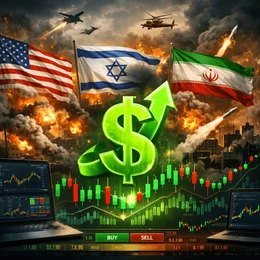
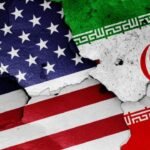
Iran-US Ceasefire Extended: Historic Truce Holds Amid Tense Talks
Diplomats announced today that the fragile ceasefire between Iran and the United States has been extended by 90 days. The move averts a potential escalation in the Middle East. Both sides hailed it as a “critical step” toward lasting peace.
Tensions spiked last month after Iranian missile strikes on US assets in the Persian Gulf. That followed a US drone operation targeting Iranian proxies in Syria. Casualties mounted on both sides. Now, the extension buys time for negotiations.
US Secretary of State Elena Ramirez spoke from the State Department podium. “This isn’t just a pause,” she said. “It’s a bridge to diplomacy.” Iranian Foreign Minister Hossein Amirabdollahian echoed her from Tehran. He called it “a victory for restraint over recklessness.”
The original ceasefire kicked off on January 15, 2026. It came after months of shadow war. Proxy battles in Yemen and Iraq had pushed the region to the brink. World leaders watched nervously as oil prices surged 40%.
How the Iran-US Ceasefire Began
The truce started small. Backchannel talks in Oman brokered the deal. UN mediators played a key role. Neither side admitted weakness. But both needed breathing room.
These were the key triggers of the Iran-US ceasefire:
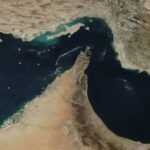
- Iranian seizure of a US-flagged tanker in the Strait of Hormuz.
- US cyber ops disrupting Iran’s nuclear program.
- Hezbollah rocket fire into Israel, blamed on Iranian supply lines.
- Mounting economic pressure: US sanctions bit hard into Iran’s oil exports.
Casualties topped 500 in the first half of 2026. Refugee flows strained neighbors like Turkey and Jordan. Global markets trembled. Brent crude hit $120 a barrel.
President Maya Chen of the US pushed for talks. Her administration faces midterm elections. Critics call it “appeasement.” Supporters see it as smart statecraft.
Iran’s Supreme Leader Ali Khamenei approved the extension. State media framed it as Iranian leverage paying off. “The Great Satan blinks first,” one IRGC general tweeted.
Iran-US Ceasefire Extended: What are the Details?
The 90-day renewal starts immediately. It builds on the original terms. Monitors from Qatar and the UN will oversee compliance. Satellite tech tracks violations in real time.
These are the key provisions:
- No new drone or missile launches in the Gulf.
- Halt to US arms shipments to Gulf allies like Saudi Arabia.
- Iran pauses uranium enrichment above 20% purity.
- Joint patrols in the Strait of Hormuz by neutral navies.
Violations trigger automatic snapback sanctions. The UN Security Council votes on enforcement. Russia and China back Iran. They vetoed harsher measures last time.
Talks resume next week in Vienna. Agenda items cover nuclear limits and regional proxies. US demands Iran dismantle missile factories. Tehran wants sanction relief first.
How the World Leaders Reacted to the Iran-US Ceasefire Extension
World leaders rushed to praise the news. But skeptics abound.
- UN Secretary-General Antonio Guterres: “A ray of hope in dark times.”
- EU foreign policy chief: “Diplomacy triumphs.”
- Saudi Crown Prince: “Welcomes stability for trade.”
- Israeli PM: “A dangerous illusion. Iran re-arms as we speak.”
- US Republicans: “Weak deal rewards aggression.”
- Iranian hardliners: “Concessions betray the revolution.”
Oil markets reacted fast. Prices dipped 5% to $105. Shipping insurance rates fell. Airlines cut fuel surcharges.
Experts weigh in. “This buys six months max,” says RAND analyst Dr. Sara Khalid. “Trust is zero. Proxies will test boundaries.” She points to the Houthi attacks last month. They skirted the truce but rattled nerves.
What’s Ahead for the Iran-US Ceasefire?
Challenges loom large. Iran’s nuclear program simmers. IAEA reports show 60% enrichment stocks. Enough for three bombs if pushed further. US intel agrees.
Proxy wars fester. In Iraq, militias linked to Iran hit US bases. Syria’s chaos invites opportunists. Yemen’s Houthis vow to keep Red Sea pressure.
Public opinion splits. US polls show 55% back talks. In Iran, street protests demand jobs over jihad. Youth unemployment hits 40%.
Optimists point to history. The 2015 nuclear deal held for years. It collapsed under Trump. Biden revived talks. Chen’s team tweaks the formula.
Negotiators face deadlines. Midterms loom in November. Iran’s elections next year. Both sides want wins.
For now, the Iran-US ceasefire extended offers slim hope. The region exhales. But shadows lengthen.
__________________________________________________________________________________________________________
Click here to read all our blogs>>>>>


[…] itself as a neutral ground for peace talks. It is divided into Pakistan's Role in Extending the US-Iran Ceasefire, then looking at the reasons behind it and the further processes along with challenges that needed […]