
Iran-US Talks on Monday: Date Remains Elusive Amid Escalating Tensions
As the world watches closely, the expected second round of Iran-US technical talks in Islamabad remains uncertain. Conflicting reports highlight deep mistrust and ongoing diplomatic maneuvering between both sides.
Pakistani government sources have clarified that no date has been set for 2nd round of talks. This contradicts earlier optimism driven by logistical preparations and media leaks.
This uncertainty follows the first round of negotiations (April 10–12), which ended without a breakthrough. Key unresolved issues include:
- Iran’s nuclear program
- The ongoing naval blockade of Iranian ports
- A fragile ceasefire mediated by Pakistan
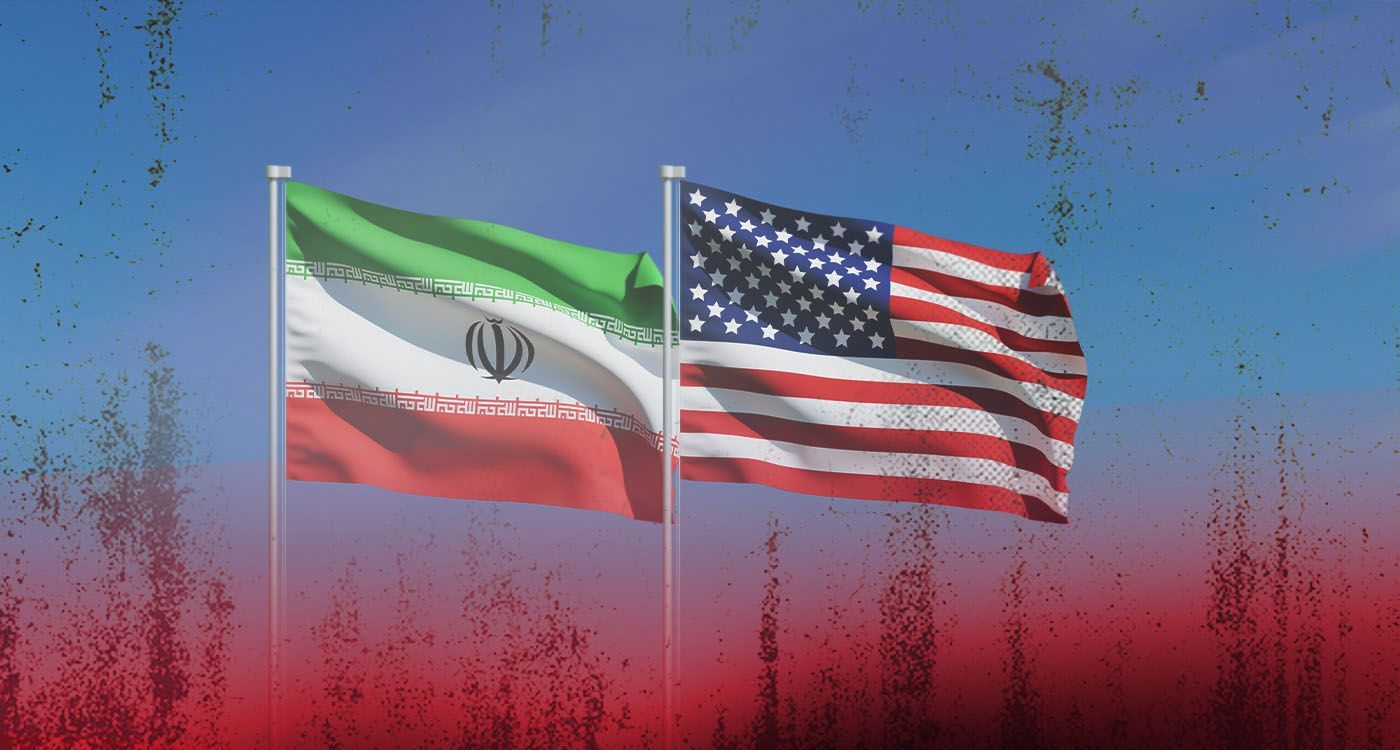
First Round of Iran-US Talks
The first round of discussions was hosted at Islamabad’s Serena Hotel under the invitation of Prime Minister Shehbaz Sharif. The talks brought together technical delegations from Washington and Tehran in an effort to de-escalate tensions.
Despite initial optimism, progress remained limited. While the US anticipated resuming talks on Monday, Iran pushed back strongly on that timeline.
Iran’s Position
Iranian Deputy Foreign Minister Saeed Khatibzadeh stated that:
- No new date has been finalized
- Talks will not proceed without an agreed framework
Tehran also criticized US demands, describing them as excessive. These reportedly include:
- A 20-year suspension of Iran’s nuclear activities.
- Full international oversight of the Strait of Hormuz.
- Continued US naval presence and blockade.
What is the Diplomatic Confusion in the Iran-US Talks?
Tensions have intensified further following sharp statements from US leadership. President Trump has set a firm deadline for progress, warning that failure to reach an agreement by April 22 could result in renewed military action.
He has also reiterated that the United States will not tolerate what he described as political coercion from Tehran, while simultaneously acknowledging that indirect discussions are still taking place through intermediaries.
This dual-track messaging, pressure combined with limited engagement, has defined the current phase of the crisis.
Core Disputes Between Iran and the US
At the center of the deadlock are several deeply entrenched disagreements:
- US insistence on verifiable nuclear suspension measures
- Proposed restrictions on Iran’s missile program
- Calls for oversight or regulation of the Strait of Hormuz
- Iran’s rejection of external supervision in its territorial waters
- Demand from Tehran for an end to sanctions and military pressure
These differences remain unresolved despite multiple rounds of indirect engagement across different locations earlier in the year.
Strategic Importance of the Strait of Hormuz
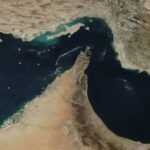
The Strait of Hormuz remains a critical flashpoint in the conflict. Handling roughly 20% of the global oil trade, any disruption in the waterway has immediate global economic consequences.
Recent tensions have already caused temporary disruptions in shipping routes. This has led to volatility in oil markets and renewed concern among energy-importing economies. Even minor escalations in the region have historically triggered sharp price fluctuations.
Read our detailed article about the latest condition of the Strait of Hormuz.
Pakistan’s Role in Making Iran-US Talks on Monday Possible
Pakistan continues to position itself as a neutral facilitator in the ongoing crisis. By hosting negotiations and encouraging dialogue, Islamabad has attempted to maintain diplomatic relevance while preventing regional spillover.
However, the role comes with challenges. Domestic scrutiny over logistical arrangements, coupled with broader geopolitical balancing between regional and global partners, has placed Pakistan in a delicate position.
Despite setbacks, officials maintain that diplomatic engagement remains the preferred path.
Global Markets and Civilian Impact
Beyond diplomacy, the uncertainty is already affecting global sentiment. Oil markets remain volatile, with prices hovering near elevated levels due to supply fears. Investors are closely monitoring developments for any sign of escalation or resolution.
Meanwhile, the human impact continues to grow on both sides. In Iran, economic strain and domestic unrest persist amid inflation and energy shortages. In the United States, public concern is rising over the possibility of renewed military involvement in the Middle East.
A Tense Countdown
As of now, Iran-US talks on Monday remain uncertain. The situation presents two possible paths:
- Diplomatic breakthrough leading to regional stability
- Escalation into a wider conflict with global consequences
With deadlines approaching and tensions rising, the coming days will be critical. Pakistan’s diplomatic efforts continue, but the outcome ultimately depends on whether both sides can agree on a workable framework.