

How Iran-US War Affects Global Markets: Stocks, Oil, and Crypto Explained (2026)
Introduction: Understanding the Global Economic Impact of Iran-US War
War doesn’t stay limited to the battlefield; it spreads through the global economy like a shockwave. When conflicts break out especially between powerful countries the global economic impact of war is felt almost instantly around the world. We can understand this situation with a domino effect example: one disruption leads to another and soon different industries start feeling the strain. In 2026, tensions in the Middle East have already pushed global growth forecasts down from about 3.4% to around 3.1% and it could drop even further if the situation gets worse.
Why War Disrupts the Global Economy
What makes war so economically destructive is uncertainty. Businesses hate uncertainty. Investors hate it even more. When companies don’t know what’s coming next whether it’s sanctions, trade blockades, or rising costs they delay investments and expansion plans. Consumers follow suit by cutting spending. This creates a slowdown that spreads across borders affecting even countries not directly involved in the conflict.
Other Major Factor
Another major factor is trust. Global trade depends on stable relationships between nations. War breaks that trust instantly. Trade agreements become fragile, shipping routes become risky and insurance costs skyrocket. The result? A less efficient, more expensive global economy where growth struggles to keep pace.
Key Channels Through Which War Impacts Markets
War affects financial markets in a few key ways and understanding them helps explain how conflicts affect the world economy. The first is the commodity shock especially when it comes to oil. If supply chains get disrupted prices will rise quickly and that pushes costs up for many industries. The second is inflation when businesses face higher costs. Those increases are passed on to consumers which reduces their spending power and slows demand. The third is financial instability where investors start moving their money away from risky assets and look for safer options.
You can already see these effects in 2026. The shutdown of key channels, for example through the Strait of Hormuz, has managed a large slice of global oil supply and battered energy markets
and worldwide expansion. Also, that the financial markets have been more volatile in terms of declining asset prices and rising risk.
All of this shows that war doesn’t just impact one area it spreads across the entire system from stocks to cryptocurrencies. It’s more like a chain reaction than a single event gradually reshaping the global economy.
War Impact on Stock Market: Immediate Market Reactions to War
The war impact on stock market behavior is usually very quick. As soon as major news breaks markets react almost instantly. Investors start rethinking the risks and this often leads to sudden selling. In early 2026, global stock markets experienced instability as tensions in the region grew with some indexes dropping while investors moved their money into safer options.
Why does this occur? Because stock prices are based on expectations about future profits. War puts those profits at risk by raising costs, interrupting business activities and lowering demand. When uncertainty increases many investors feel it’s safer to hold cash or shift to low-risk assets instead of staying in stocks.
However, not all stocks react the same way. Some sectors actually gain during times of conflict so the market doesn’t fall evenly across the board. This uneven reaction is what makes investing during war both difficult and in some cases an opportunity.
Sector Winners and Losers During War
War changes the stock market in uneven ways. Some industries come under pressure while others actually benefit. It’s similar to nature; some areas adapt and grow while others struggle to survive. Because the demand for their goods rises during conflict, energy companies, defense contractors and commodity producers often do very well. In contrast sectors, such as travel, retail and manufacturing typically struggle because of increased costs and lower consumer spending.
However, energy companies benefited from higher oil prices while airlines and logistics firms faced crushing fuel costs and disruption in operations during the 2026 war. Banks were also affected with global banking market value falling by more than 4% in early 2026 as uncertainty and inflation concerns increased.
This kind of split performance shows how different the picture can be in financial markets during geopolitical tensions. It also creates opportunities for investors who understand these shifts. The
The key isn’t avoiding the market altogether, it’s knowing which sectors are likely to perform better under pressure.
Long-Term Effects on Equities
Markets usually find a way to settle down over time even when conflicts drag on. History suggests that wars can shake things up in the short run but in the long run it’s the core economic factors that really drive market direction-not just geopolitical tensions. That said, long-lasting conflicts can still leave a lasting mark by changing how industries operate, how supply chains are structured and how global trade flows.
Looking ahead to 2026, many experts believe we’ll see a stronger push toward energy self-sufficiency, higher spending on defense and a broader effort to spread out supply chains instead of relying on a few regions. These shifts could have a lasting impact on stock markets. Those investors who recognize and adjust to these changes early are usually in a better position to gain from them.
How War Affects Oil Prices: Supply Chain Disruptions and Energy Crisis
If there’s one asset that responds immediately during a conflict it’s oil. The phrase how war affects oil prices is almost directly linked to the supply chain disruptions. Oil plays an important role in the global economy. It fuels transportation, supports industries, and keeps supply chains moving. So, when a war puts key supply routes at risk prices tend to jump very quickly.
In 2026, tensions involving Iran affected one of the world’s most important oil pathways, the Strait of Hormuz. Around 20% of the world’s oil passes through this narrow route so even a small disturbance can push prices higher. You can think of it like tightening a hose: when the flow is restricted pressure builds up and in this case, that pressure shows up as rising prices.
These kinds of disruptions don’t stay limited to oil-producing nations. They spread across the global economy pushing up costs for both businesses and everyday consumers. As a result of that things like flight tickets, transportation, and even basic groceries start to become more expensive.
Oil Prices During War Crisis (2026 Case Study)
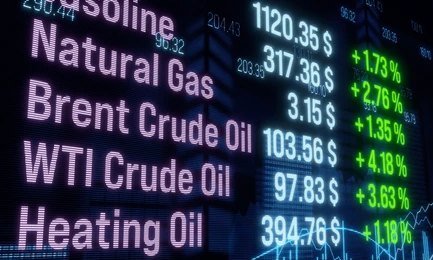
The oil prices during the war crisis in 2026 give a clear real-life picture of how this works. At different points crude oil has crossed the $100 per barrel mark mainly because of fears that supply could be disrupted for a longer time. Even when prices don’t shoot up sharply, they usually stay on the higher side because uncertainty and risk are still there in the background.
What’s interesting is that markets don’t always react as dramatically as people expect. Some experts point out that existing stockpiles and the belief that conflicts might be short-lived can help keep prices from rising too fast. Even so, when a conflict continues the general direction of prices tends to stay upward. This shows an important point: oil markets aren’t driven only by actual shortages. They also react to what people think might happen and how risky the situation feels. And during war those expectations usually lean toward caution which keeps prices under pressure.
War and Inflation Explained: How Energy Prices Drive Inflation
When oil prices go up inflation usually follows-it’s hard to avoid. Energy is something almost every industry depends on so when its cost rises. It slowly pushes up prices across the whole economy. That’s the reason why war and inflation are connected.
According to the study in 2026, global inflation is expected to reach around 4.4%, mainly because of energy shocks linked to ongoing conflicts. At first, that number might not seem too high but even a small rise in inflation can reduce consumers’ purchasing power and put pressure on economic stability.
Businesses feel this impact as well. Their expenses go up-whether it’s raw materials, transport, or wages and many of them end up passing those extra costs on to customers. This creates a cycle where prices keep rising making it harder to bring inflation back down.
Central Bank Responses During War
Central banks have a big responsibility when the economy is shaken by war. Their main aim is to keep inflation under control without hurting economic growth but in reality, that balance is quite difficult to manage. When inflation is driven by external factors like conflict in that case increasing interest rates might help control prices but it can also slow down the economy even more.
In 2026, central banks are trying to handle this situation carefully. Some banks are keeping interest rates higher to deal with inflation while at the same time keeping a close eye on overall economic growth. This makes things more uncertain for investors since it’s harder to predict how monetary policy will shift next.
Geopolitical Impact on Financial Markets: Investor Sentiment and Risk-Off Behavior
The geopolitical impact on financial markets is driven a lot by human behavior and emotions. When uncertainty increases investors usually move into what’s called a “risk-off” mindset. In simple terms, they start pulling money out of riskier assets like stocks and shift it into safer options such as government bonds or gold.
We saw this clearly in 2026, when markets became more volatile and money started flowing out of higher-risk investments. It’s not only about hard data or numbers—it’s also about how people feel about the situation. If investors think things might get worse, they tend to act quickly to protect their money.
Capital Flows and Currency Movements
War doesn’t just shake stock markets it also has a strong effect on currencies. During uncertain times investors usually move their money into currencies they see as more stable. This increases demand for those currencies making them stronger while others tend to lose value.
As a result, global trade and investment flows can become uneven. Some countries may find their exports getting more expensive while others gain an advantage. All of this adds another layer of complexity to the economic situation especially when the conflict continues for a longer period.
Crypto During War: Bitcoin War Impact and Volatility
The role of crypto during times of war has changed quite a bit over the years. Earlier cryptocurrencies were often seen as risky and their prices would usually drop when uncertainty increased. But in 2026, things seem a bit different. The bitcoin war impact is showing more stability with prices staying relatively steady even when markets are under pressure.
One reason for this is that crypto markets run 24/7. Unlike traditional markets they don’t close so they respond to global events almost instantly. This makes them both highly reactive and sometimes unpredictable. Investors can buy or sell at any time which often leads to quick price swings depending on how the situation unfolds.
Is Crypto a Safe Haven During War?
This is where it starts to get interesting. Crypto still isn’t considered a classic safe haven like gold but more people are beginning to see it as an alternative during uncertain times. Especially in areas affected by conflict cryptocurrencies can offer a way to transfer money across borders without depending on traditional banking systems.
Gold Safe Haven During War: Why Gold Prices Rise in War
Gold has long been considered a safe investment during war. Whenever uncertainty increases investors usually turn to gold because they trust it to hold its value. The idea is quite straightforward unlike stocks or currencies; gold isn’t tied to any government or company which makes it feel more secure during unstable times.
Comparing Gold vs Crypto in Conflict
Gold is still the main choice when it comes to safety but crypto is slowly starting to be seen as a modern alternative. Both are used by investors in similar ways during uncertain times but they don’t behave the same in the market. Because of these differences people now have more options to consider when facing crises or instability.
War and Global Supply Chain Disruption: Trade Routes and Logistics Breakdown
War can seriously disrupt supply chains often more than people expect. When conflict breaks out shipping routes can become unsafe transportation costs go up and deliveries start taking longer than usual.
These delays and extra costs don’t just stay at one place they spread across the economy. Manufacturing slows down, retail gets affected and in the end it all adds pressure on global prices contributing to higher inflation and weaker economic growth.
Safe Investments During War: Assets That Perform Best in Crisis
During war, investors typically look for stable income. Here are some most of the common safe investments during war include:
- Gold and precious metals
- Government bonds
- Energy stocks
- Defensive sectors like utilities
These assets tend to perform better because they either benefit from the crisis or provide stability during uncertain times.
Conclusion
War can really change the global financial landscape in many deep and lasting ways. From higher oil prices and rising inflation to ups and downs in stock markets and shifts in where investors put their money the impact spreads across almost everything.
Understanding how war affects the global markets isn’t just about following news headlines. It’s more about noticing patterns, seeing how different sectors react and trying to anticipate what might come next so better decisions can be made.
In today’s world, where geopolitical tensions are becoming more frequent, having this kind of understanding is becoming increasingly important.








interesting