
Has the US-Iran War Ended? All the Key Details You Need to Know
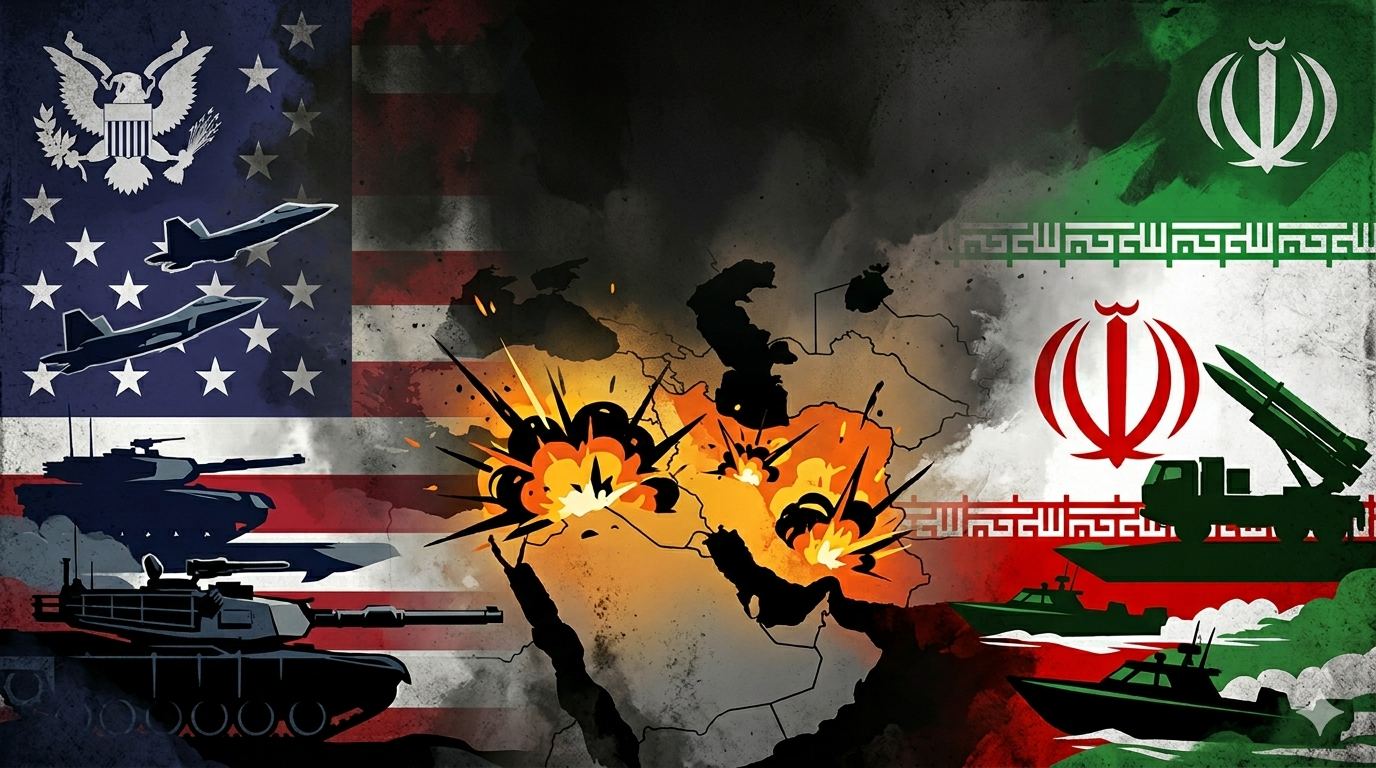
Us-Iran war, President Donald Trump has declared that U.S. hostilities against Iran have “terminated,” effectively closing the books on what Washington is now calling a short but high‑stakes war in the Persian Gulf. In nearly identical letters to House Speaker Mike Johnson and Senate President pro tempore Chuck Grassley, Trump stated that an open‑ended ceasefire has halted fighting and that the clock under the 1973 War Powers Resolution has now stopped.
“Hostilities that began on February 28, 2026, have terminated,” Trump wrote, adding that “there has been no exchange of fire between U.S. forces and Iran since April 7.” The letters were released on May 1, just as a 60‑day deadline expired for Congress to approve or force an end to the conflict.
Us-Iran War! The 60‑Day Deadline That Never Came
Under the War Powers Resolution, once a president notifies Congress of hostilities. the administration has 60 days. extendable to 90 under certain conditions, to either secure congressional authorisation or withdraw forces. Trump formally reported the Iran campaign to Capitol Hill on March 2, setting that clock in motion.
By early April, the fighting had largely paused when Washington and Tehran agreed on a ceasefire aimed at opening space for broader negotiations. The Trump team argued that the absence of direct fire since April 7 meant the hostilities had “terminated,” and therefore the May 1 deadline no longer applied. “The hostilities that commenced on February 28 have been concluded,” one senior administration official told reporters, echoing the White House line.
Ceasefire In Name, Tension In Practice
Even as Washington classifies the war as over, the broader confrontation with Tehran is far from settled. U.S. forces remain in the region, and a military blockade of Iranian ports continues, while Iranian‑backed groups still threaten American positions in Iraq, Syria, and the Red Sea.
Trump’s May 1 letter to Congress acknowledged that the “threat posed by Iran to the United States and our Armed Forces remains significant.” He also warned that the administration would continue adjusting its military posture to deter Iranian proxies and regional aggression, even while insulating the Iran conflict from further congressional review.
Constitutional Clash Brewing On Capitol Hill
Democrats have denounced the administration’s move as a legal stretch designed to dodge a meaningful vote on the war. Lawmakers in several bills have already tried to force a withdrawal or at least a time‑bound resolution under the War Powers framework, but partisan gridlock has left most of those efforts stalled.
Republican leaders, by contrast, have largely backed Trump’s assertion that the ceasefire has reset the rules. Some GOP strategists privately admit that the logic is legally thin but argue that refusing to authorize the war would look like ceding ground to Iran at a delicate moment.
What “US-Iran War Ended” Actually Means On The Ground
For the public and for troops, the label “war ended” is more technical than dramatic. No large‑scale U.S. offensive operations are underway against Iranian targets, and direct exchanges of fire have stopped since April 7. But American warships still patrol the Gulf, air patrols continue, and thousands of service members remain on alert in the Middle East.
In Tehran, officials have yet to formally endorse Washington’s narrative. Iranian state media have underlined that the blockade and the broader regional pressure remain in place, suggesting that any peace is partial and reversible.
Is There a Path to De-Escalation?
Trump told reporters he had issued a “final proposal” to Iran’s leadership, though he expressed skepticism about reaching a deal with what he called a “disjointed” government. The administration is now betting that the ceasefire‑plus‑blockade formula will leave Iran with enough incentives to keep its guns silent without forcing Congress to back a full war vote.
So, has the US-Iran war ended? For the moment, the legal book on the U.S.‑Iran war is officially closed in Washington. But on the ground, the risk of flare‑ups, through proxies, cruise missiles, or drones, means that “ended” may be more of a technical status than a permanent end to the standoff
Click here to read all our blogs>>>>>