
What If US-Iran Talks Completely Fail? 3 Future Scenarios Explained
The high-stakes US-Iran negotiations in Islamabad collapsed after 21 grueling hours on April 12, 2026, with Vice President JD Vance departing empty-handed. Iran rejected US demands to dismantle its nuclear program, halt regional proxy support, and reopen the Strait of Hormuz, shattering a fragile ceasefire that had barely contained a six-week conflict killing thousands and spiking global energy prices.
President Donald Trump’s “maximum pressure” strategy now faces its ultimate test: total diplomatic failure. Experts warn of cascading crises, from proxy flare-ups to oil shocks, as Tehran vows retaliation and hawks in Washington push for strikes.
Drawing on intelligence assessments and market reactions, here are three plausible future scenarios if talks stay deadlocked.
Scenario 1: Proxy Wars Intensify
In the most immediate path, failure triggers a surge in shadow conflicts across the Middle East, avoiding direct US-Iran clashes but draining resources on both sides. Iran, cornered by sanctions and fresh US airstrikes on its drone facilities, doubles down on proxies like Hezbollah in Lebanon, Houthis in Yemen, and Shia militias in Iraq and Syria.
These groups launch coordinated attacks on US bases, Israeli targets, and Saudi oil infrastructure. This echoed the 2025 escalations that prompted the ceasefire.
Recorded Future analysts predict Iran could flood the Bab al-Mandab Strait with cheap drones, disrupting 12% of global trade and pushing Brent crude toward $120 per barrel.
US retaliatory precision strike, think Tomahawks on IRGC command posts, keep the fight limited. But mount among American troops, testing domestic tolerance under Trump, who has pledged no “forever wars.”
The Impact
Markets react swiftly. Oil prices spiked about 5% in Monday trading post-collapse, with defense stocks like Lockheed Martin surging 8% on expectations of sustained munitions demand. Gulf allies like Saudi Arabia and UAE bolster defenses, while China quietly buys discounted Iranian oil, eroding US primacy without firing a shot.
This “managed escalation” could drag into 2027, with RTE analysis noting Iran’s economy, shrunken 15% by sanctions, surviving on smuggling and Russian tech transfers.
Scenario 2: Oil Crisis and Economic Siege
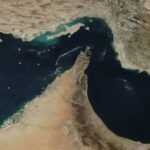
A second trajectory centers on the Strait of Hormuz, where Iran wields its ultimate leverage: choking 20% of global oil flows. Post-failure, Tehran mines the strait, deploys speedboats for harassment, and sinks a tanker, mirroring Houthi tactics but on steroids. This sends shockwaves through energy markets.
The Impact
The Daily Star outlines how this triggers a 1970s-style embargo 2.0: prices hit $150/barrel, inflation reignites in the US (already at 4.2%). And Trump invokes emergency powers for strategic reserve releases. Europe, weaning off Russian gas, faces blackouts. India’s refineries went idle. Pakistan’s economy is hit hard by fuel shortages.
Iran’s calculus? Withstand pain via barter deals with Beijing and Moscow, betting Western voters force de-escalation.
Atlantic Council scenarios highlight Beijing’s windfall: China snaps up cheap crude, funds Iran’s rebuild, and positions the yuan as petro-currency, accelerating dedollarization.
Scenario 3: Direct Confrontation and Regime Pressure
The nightmare outlier, least likely but catastrophic, involves open war, as US hawks demand regime change after proxies fail to deter. Trump greenlights a “systematic campaign”: B-2 bombers pulverize missile silos, nuclear sites, and the energy grid, seizing coastal assets to secure Hormuz.
Iran retaliates asymmetrically. Hypersonic missiles on Diego Garcia, swarm attacks on the Fifth Fleet, and dirty bombs via proxies. Regime collapse odds rise to 40% if RGC fractures under defections fueled by economic collapse. But blowback is fierce. Hezbollah barrages Tel Aviv, closing Ben Gurion Airport; Russia arms Tehran with S-500s.
The Impact
Global fallout. Recession grips the West, with IMF projections of 2% GDP shave-off. China exploits the chaos, invading Taiwan through opportunistic models. Another result, Iran sues for truce after Quds Force losses, but empowered hardliners spawn ISIS 2.0.
Wrapping Up
Each scenario intersects: proxies seed oil crises, crises tempt strikes. Trump’s team, per Vance’s post-talks briefing, eyes “all options.” But allies urge restraint. Israel wants preemption, Europe sanctions-plus. Iran’s internal dissent brews. Protests could topple the regime if breadlines worsen.
However, diplomacy isn’t dead. Oman whispers of round two. But failure’s shadow looms large. As April 20 deadlines for UN resolutions approach, the world braces.
________________________________________________________________________________________________________
Read the following articles to grasp all the latest updates:
Click here to read all our blogs>>>>>